
Modernizing Your Building Automation System Does Not Have to Be Costly, Complicated or Proprietary
Building owners and facility teams are facing a common challenge. Many are operating building automation systems that are aging, difficult to support or locked behind proprietary platforms. These systems were designed to make building performance easier to manage, but over time they can introduce new hurdles. Rising service costs, limited vendor options and outdated technology often leave teams feeling stuck.
Across the industry, the conversation has shifted toward long‑term flexibility, open protocols and life cycle value. Owners want systems that help them manage risk, not create new dependencies. They want straightforward upgrades that fit within budget while providing long-term flexibility and value. They also want the certainty that their system will keep working years down road.
This is where building automation retrofits are evolving, and where more owners are reevaluating what is possible.
Why Many BA Systems Reach a Breaking Point
Building automation system replacements are rarely driven by simply wanting the new bells and whistles. More often, they’re the result of the system not working the way it should.
Common drivers include:
- Obsolete hardware or software that can no longer be updated
- Escalating service fees due to proprietary controls and limited vendor competition
- Poor or inconsistent support from the current provider
- Cybersecurity concerns tied to outdated networks
- Difficulty integrating new equipment or technologies
In many cases, owners are told the only option is to stay with their existing vendor and upgrade to the next generation of a closed platform. That path often comes with a long-term commitment and limited flexibility.
But a “like‑for‑like” replacement is not the only way forward.
Open, Nonproprietary Systems Offer a Smarter Path
Open systems based on widely adopted protocols give owners more control over the future of their facility. When a system is open, multiple qualified vendors can support, service or expand it. This creates competition, drives better service and prevents a single provider from holding the keys to the building.
Harris helps clients move from proprietary systems to modern, open platforms in a way that reduces long-term cost and risk. These systems allow teams to:
- Choose their vendor and avoid being locked into one provider
- Add new features, equipment or integrations over time
- Keep service and support costs predictable
- Respond quickly to operational issues
- Prepare the building for emerging digital tools and analytics
Retrofitting Doesn’t Require Major Disruption
A common misconception is that replacing a building automation system means major downtime or intrusive work in occupied spaces. That’s rarely the case today.
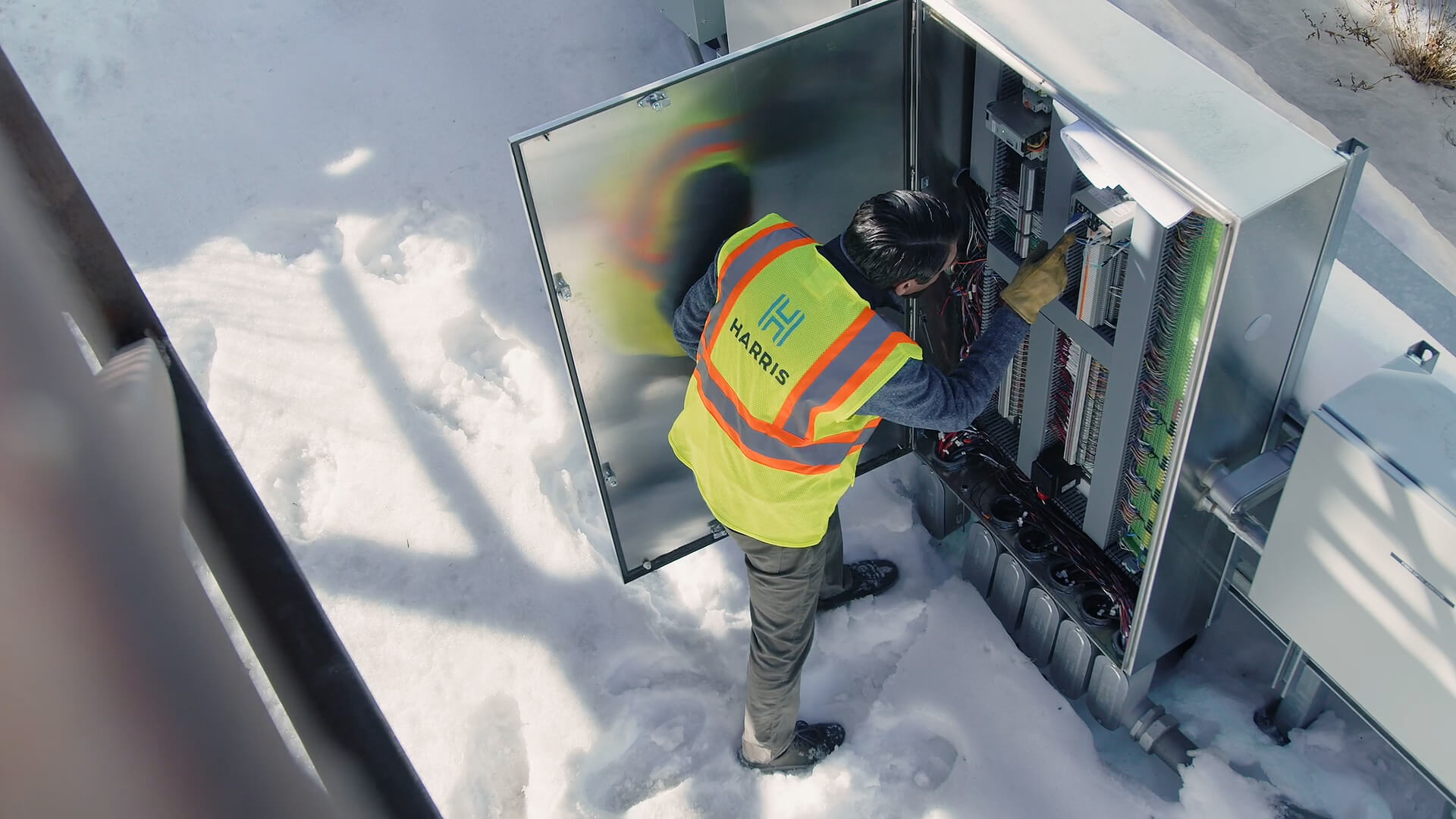
Our engineers and technicians can plan retrofits around the daily needs of the facility. This means phasing work, sequencing transitions and coordinating closely with operations and maintenance teams. In hospitals, schools, labs and other sensitive environments, planning is just as important as installation.
Aligning Technology with Budget and Energy Goals
Many owners begin exploring a system upgrade because they’re working toward energy or sustainability goals. Aging controls can make it difficult to meet these benchmarks, as sensors fail, sequences drift and trending becomes unreliable.
Modern, open systems offer stronger analytics and easier optimization. They make it possible to:
- Improve equipment scheduling
- Reduce unnecessary run time
- Identify failures or inefficiencies faster
- Support utility incentive programs
- Validate energy savings
At the same time, we work with owners to align the retrofit with capital planning and budget constraints. Upgrades can be phased over multiple years or integrated with planned mechanical improvements to maximize value.
Owners are often surprised to learn that replacing a proprietary system with an open one can reduce their long-term service spend significantly. When the system is no longer tied to a single vendor, costs become more competitive and predictable.
Preparing for a Digital Future
The industry is rapidly moving toward greater connectivity, smarter equipment and deeper insight into building performance. A modern automation system is the foundation for this digital future. Open platforms make it easier to adopt new technologies such as advanced analytics, digital twins or cloud-based monitoring. Being prepared for what comes next requires a flexible foundation built on choice, transparency and long-term planning.
A More Certain Path Forward
Every facility is different, and so is the right path to modernizing its building automation system. Rather than recommending a one-size-fits-all replacement, we help owners evaluate their existing systems, identify proprietary limitations and develop practical upgrade strategies based on their infrastructure, operational priorities and long-term goals.
In many cases, existing field devices can remain in place while supervisory controls are upgraded or legacy systems are integrated into a more flexible framework. This allows owners to modernize their systems in a way that makes sense for their facility while maintaining control over future service, expansion and technology decisions.
By combining open technology with practical implementation strategies, we help building owners reduce long-term risk, preserve flexibility and create a building automation system that is positioned to support their operations for years to come.
Categories: Blog