
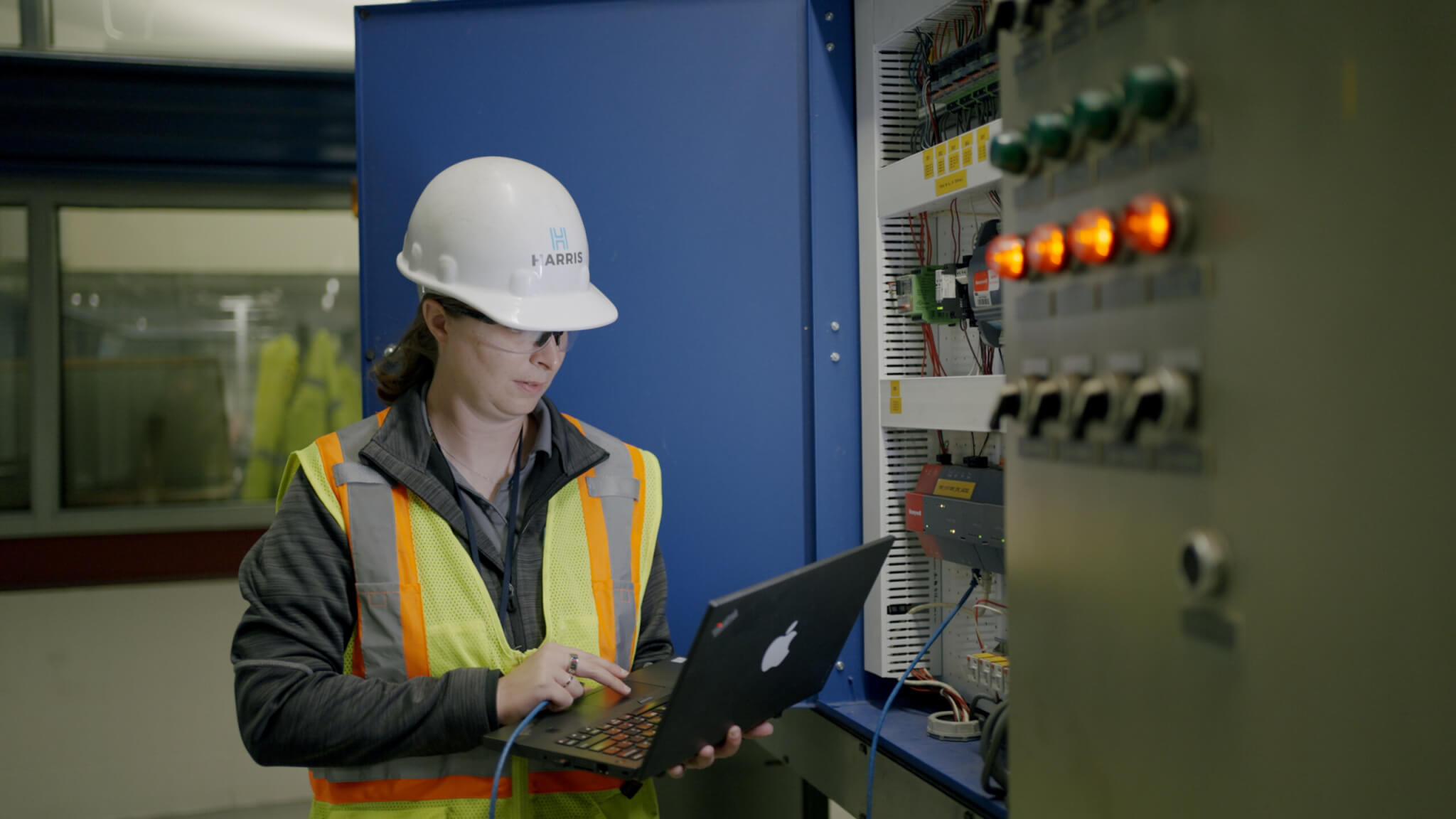
Take the Uncertainty Out of Your Mechanical and Building Automation Budgets
Mechanical and building automation systems are critical to daily operations, yet they are often among the least predictable line items in a capital budget. Aging equipment, deferred maintenance and unexpected failures can quickly turn a well-planned year into a reactive scramble. This level of uncertainty can create a lot of stress for facility owners and operators.
Across industries, facilities teams are being asked to do more with less. Buildings are expected to operate more efficiently, meet evolving sustainability and compliance standards and deliver consistent comfort for occupants. At the same time, capital budgets are under pressure and emergency repairs are increasingly costly. The challenge is not just keeping systems running today but planning for what comes next with confidence.
A thoughtful, long-term approach to mechanical and building automation planning can change that dynamic. When owners understand their systems, their lifecycle costs and their replacement timelines, uncertainty gives way to predictability.
Understanding the Full Lifecycle of Your Systems
Mechanical and BAS assets are long-term investments. Chillers, boilers, air handlers and controls do not fail overnight, but their performance and reliability decline over time. Without a clear understanding of where each system is in its lifecycle, budgeting becomes reactive.
Life cycle cost analysis provides that clarity. By evaluating equipment age, condition, efficiency and maintenance history, owners can anticipate when repairs will no longer make sense and replacement becomes the better financial decision. This approach limits unpredictable expenses and supports more accurate forecasting.
Just as important is having a facility team or partner who truly understands the systems in place. Many organizations inherit buildings with limited documentation or institutional knowledge. That gap often leads to missed warning signs and costly surprises. A proactive assessment brings transparency to current conditions and future needs, allowing owners to plan instead of react.
Proactive Maintenance as a Financial Strategy
Maintenance is often viewed as an operational expense, but in reality it is a strategic financial tool. Proactive maintenance extends equipment life, improves performance and reduces the likelihood of emergency failures that can cost two to five times more than planned replacements.
When maintenance is paired with capital planning, the benefits multiply. A comprehensive maintenance plan creates a clear picture of near-term repairs and long-term upgrades. It also opens the door to smarter decisions around efficiency improvements, sustainability goals and compliance requirements.
Upgrading to more efficient equipment can reduce energy use and operating costs while helping buildings meet current energy codes and standards such as ASHRAE. When planned in advance, these upgrades can be bundled to take advantage of rebates, incentives or financing opportunities. The result is a smoother path to modernization with fewer budget shocks.
Maintenance Plans That Support Long-Term Capital Planning
Not all maintenance plans are created equal. Traditional agreements focus on keeping existing equipment running, but they often stop short of addressing inevitable replacement.
A more strategic approach integrates maintenance with capital equipment planning. Full coverage maintenance plans that include phased replacement allow owners to align improvements with budget cycles and operational priorities. Instead of facing a major capital hit all at once, investments are spread over time.
These programs are flexible by design. If certain systems need replacement but full funding is not available immediately, a phased approach can extend equipment life while planning for gradual upgrades. This flexibility helps owners manage cash flow without compromising reliability.
Over the life of the plan, risk exposure is reduced. Critical systems are maintained under full coverage, failures are addressed proactively and by the end of the timeline, owners transition to new, more reliable equipment.
Improved Reliability and Reduced Downtime
Unplanned downtime is disruptive and expensive. Proactively replacing aging systems before failure minimizes interruptions to occupants, tenants and operations. For facilities with critical needs, such as healthcare, data centers or manufacturing, planning also allows for redundancy and backup strategies that protect operations.
Predictable replacements reduce the likelihood of emergency shutdowns and help ensure systems perform as expected during peak demand. Reliability becomes the standard, not the exception.
Energy Efficiency and Performance Gains
Newer mechanical and BAS technologies offer measurable improvements in efficiency and performance. Advanced controls provide better scheduling, monitoring and fault detection. Integrated systems allow HVAC, lighting and energy management to work together, improving comfort while reducing waste.
When these upgrades are part of a capital plan, owners can take a more holistic approach to building performance. Continuous commissioning strategies can be built in, helping systems maintain efficiency over time rather than drifting out of alignment.
Reduced utility costs help offset capital investments, strengthening the long-term business case for proactive planning.
Managing Risk and Meeting Compliance
Mechanical and automation systems play a direct role in safety, code compliance and environmental responsibility. Outdated equipment increases the risk of failures that can impact life safety, indoor air quality or environmental performance.
A structured capital plan identifies critical risks and prioritizes them. It also ensures buildings are prepared to meet evolving standards related to energy codes, sustainability goals and ESG reporting. Addressing these issues proactively reduces liability and protects both people and assets.
Building Confidence Through Transparency
Clear, long-term planning builds confidence among stakeholders. Owners, tenants and boards gain visibility into where dollars are being invested and why. Facility managers can clearly connect capital decisions to outcomes such as reliability, comfort and sustainability.
That transparency makes it easier to justify budgets and secure funding. It also demonstrates a proactive approach to asset management that enhances property value and long-term viability.
Looking Ahead
Mechanical and building automation systems will always require investment. The difference is whether those investments are made under pressure or with purpose.
By understanding system lifecycles, committing to proactive maintenance and aligning capital planning with long-term goals, facility owners can replace uncertainty with control. Along with fewer surprises, this approach will result in better overall performance and buildings that are prepared for what comes next.
In an environment where reliability and efficiency matter more than ever, thoughtful planning is a necessary competitive advantage.
Categories: Blog